
Interactive Sheet Music Note Finder & Staff Reader
Bridge the gap between sheet music and the piano keyboard. Click any note on the Grand Staff to see its exact keyboard location, solfege pitch, and real acoustic grand piano sound.
Two-Way Interactive
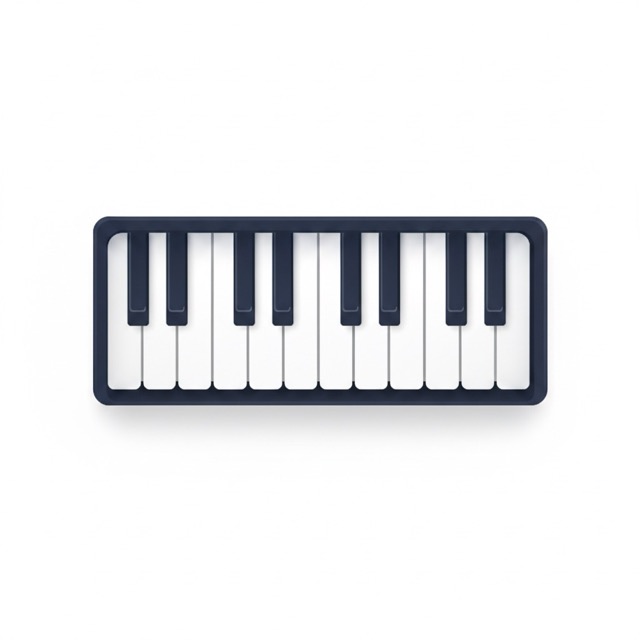
Click any piano key to draw notes on the staff, or step through staff pitches to light up the corresponding keys instantly.
Grand Staff & Ledgers
Master both Treble (𝄞) and Bass (𝄢) clefs along with dynamic ledger lines for Middle C, high octaves, and deep bass registers.
Real Grand Piano Audio
Audition each note through authentic acoustic grand piano PCM samples with precise scientific frequency calibration in Hertz.
How to Read Notes on Treble & Bass Clefs
Modern sheet music uses a five-line grid system called a staff. Notes can sit either directly on a Line or within a Space between two lines. Memorize these classic mnemonics to read notes without hesitation:
Lines (Bottom to Top): E - G - B - D - F
"Every Good Boy Does Fine"
Spaces (Bottom to Top): F - A - C - E
Spells the word "FACE"
Lines (Bottom to Top): G - B - D - F - A
"Good Boys Do Fine Always"
Spaces (Bottom to Top): A - C - E - G
"All Cows Eat Grass"
The Landmark Role of Middle C (C4)
Middle C (MIDI Note 60 / 261.63 Hz) is the anchor of the entire musical universe. On a physical piano, it sits near the center of the keyboard. In sheet music, it rests exactly on a temporary ledger line situated between the Treble Clef and the Bass Clef:
- In Treble ClefMiddle C sits on the first ledger line below the staff.
- In Bass ClefMiddle C sits on the first ledger line above the staff.
Your Ultimate Music Reading Tutor
Whether learning your very first classical piano piece, preparing for violin sight-reading examinations, or composing choral harmonies, our interactive Note Finder provides instant, crystal-clear visual and acoustic feedback.